How Western Sydney's Heat Affects Exterior Cleaning Results
Western Sydney is one of the hottest metropolitan regions in Australia. Suburbs such as Penrith, Blacktown, Parramatta, Liverpool, Campbelltown and the Hills District regularly record summer days well above 35°C, and in recent https://elliotjoil573.unionquill.com/posts/can-pressure-washing-damage-brickwork-or-mortar-joints hot seasons temperatures have climbed past 45°C. That heat does more than make outdoor work uncomfortable. It changes how cleaning products behave, how quickly surfaces dry, and how long a freshly cleaned exterior stays looking good. Understanding these effects helps homeowners and property managers schedule cleaning at the right time and get better, longer-lasting results.
Why Western Sydney's Climate Is Different
Western Sydney sits further from the coastal sea breeze than the eastern suburbs, so heat builds up across the Cumberland Plain. Dark roofs, concrete driveways, bitumen roads and dense housing create an urban heat island effect, where surfaces absorb heat during the day and release it overnight. Surface temperatures on concrete, pavers and roof tiles can be 15 to 25°C higher than the air temperature on a hot, sunny afternoon.
These conditions matter for exterior cleaning because nearly every cleaning method relies on a balance between the product, the surface, the water and the time it has to work. When heat disrupts that balance, results suffer.
How Heat Changes the Cleaning Process
Cleaning Solutions Dry Too Quickly
Most professional exterior cleaning relies on detergents, surfactants or mild sodium hypochlorite-based solutions that need adequate dwell time to break down mould, algae, lichen, grime and organic stains. On a hot surface, these solutions can evaporate before they have finished working. The result is patchy cleaning, streaking and stains that appear to be gone but return within weeks because the biological growth was not fully treated at the root.
Streaks, Water Spots and Residue
Rapid drying leaves behind mineral deposits and detergent residue. On glass, aluminium window frames, Colorbond fencing, painted weatherboards and rendered walls, this shows up as streaks, spotting and a hazy finish. Western Sydney's water can leave visible mineral marks when it dries too quickly in direct sun, particularly on dark surfaces and glass.
Surface Damage Risks
Heat can make some surfaces more vulnerable during cleaning. High-pressure water applied to very hot or dry surfaces can etch softer materials, lift paint, or drive water into weakened mortar joints. Sudden temperature changes, such as cool water hitting a scorching roof tile, can also stress surfaces that are already ageing. This is one reason soft washing at lower pressure is often preferred for roofs, painted surfaces and delicate cladding.
Cleaner and Operator Safety
Heat also affects safety. Roof surfaces can become hot enough to cause burns, and wet tiles or metal sheeting become extremely slippery. Heat stress is a real concern for anyone working at height or on large driveways in direct sun. Professional teams manage this by starting early, taking regular breaks and following work health and safety requirements for working at heights and in hot conditions.
The Impact on Different Exterior Surfaces
Roofs
Roof tiles and metal roofs in Western Sydney can reach extreme temperatures. Cleaning at midday can cause solutions to flash dry on the surface, reducing their ability to kill mould spores and lichen. Early morning cleaning, when the roof is cooler and often slightly damp from dew, allows treatments to penetrate and work more effectively. Heat also accelerates the ageing of roof coatings and sealants, so cleaning is often best paired with an inspection for cracked pointing, loose ridge caps and worn paint.
Driveways, Paths and Pavers
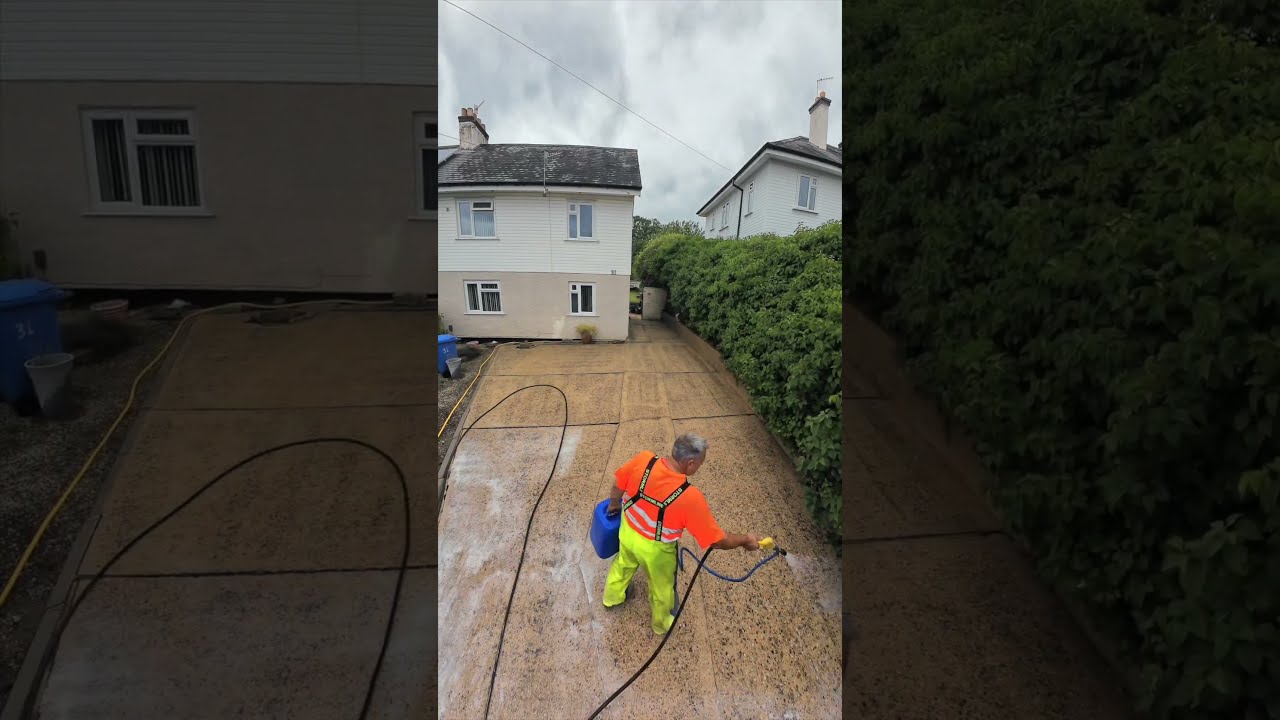
Concrete and paved areas absorb a great deal of heat. Degreasers and cleaners applied to hot concrete can dry before lifting oil, rubber marks and embedded dirt. Sealers are especially sensitive. Applying a sealer to a hot slab can cause bubbling, blotchiness, a cloudy finish and poor adhesion, because the solvent or water carrier flashes off too fast. Most sealer manufacturers recommend applying in moderate temperatures, out of direct midday sun.
Walls, Render and Cladding
Sun-exposed walls, particularly north and west-facing walls, dry fast and can show streaks or tide marks if rinsed unevenly. Cleaning in sections, keeping surfaces wet and working in shade where possible helps maintain an even finish. Painted surfaces may also be softened by heat, making them more susceptible to damage from aggressive pressure.
Windows and Glass
Glass heated by direct sun causes cleaning solution to dry almost instantly, leaving streaks and film. Cleaners often work around the sun, tackling shaded elevations first and moving to sunnier sides when they are in shade later in the day.
Decks and Timber
Timber decks and fences dry and expand under heat, making them more prone to cracking and splintering. Cleaning timber in extreme heat can lead to uneven absorption of cleaning agents and oils. After cleaning, timber needs to be dried properly and treated with a quality stain or sealer suited to Australian UV conditions.
UV Radiation and Faster Re-Soiling
Heat is only part of the picture. Sydney's high UV levels break down paint, sealants and plastics, creating chalky or rough surfaces that trap dirt more easily. A faded or deteriorating surface will often look dirty again sooner than a well-protected one. Cleaning followed by an appropriate protective coating, such as a quality sealer for pavers or a UV-stable treatment for timber, helps slow this cycle.
Warm, humid weather in summer also encourages mould and algae growth, particularly on shaded south-facing walls, under eaves, and in areas that stay damp after storms. Western Sydney's summer thunderstorms bring bursts of moisture followed by intense heat, creating ideal conditions for rapid regrowth if spores are not fully treated.
Best Times to Schedule Exterior Cleaning in Western Sydney
Timing makes a significant difference to cleaning quality. In general:
- Summer (December to February): Schedule work for early morning, ideally starting at first light, and finish before the hottest part of the day. Avoid total fire ban or extreme heat days.
- Autumn (March to May): Often the ideal season. Temperatures are milder, humidity is lower and surfaces dry more evenly, making it excellent for roofs, driveways and sealing work.
- Winter (June to August): Cooler conditions give cleaning products longer working time, though shorter days and slower drying times need to be considered, especially before sealing.
- Spring (September to November): A good window for preparing the property before the summer heat, and for removing winter mould and algae growth.
How Professionals Compensate for the Heat
Experienced exterior cleaners adjust their methods to Western Sydney conditions rather than using a one-size-fits-all approach. Common strategies include:
- Working with the shade: Following the shadow around the property so surfaces are cleaned while cooler.
- Pre-wetting surfaces: Cooling hot surfaces with clean water before applying detergents to slow evaporation.
- Adjusting chemical strength and dwell time: Using the correct dilution and applying in manageable sections so solutions do not dry out.
- Using soft washing where appropriate: Reducing pressure on roofs, paint and delicate cladding while relying on proper treatment to remove growth.
- Thorough rinsing: Removing all residue promptly to prevent streaking, staining or damage to plants and surrounding surfaces.
- Protecting landscaping: Wetting garden beds and lawns before and after treatment, since heat-stressed plants are more vulnerable to chemical contact.
Tips for Homeowners and Property Managers
Plan Around the Weather Forecast
Check the forecast for temperature, wind and rain. Extremely hot, windy days cause rapid drying and drift of spray. A mild, overcast day is often ideal for cleaning and sealing.
Do Not Rush Sealing
Surfaces must be completely clean and dry before sealing, and surface temperatures need to be within the manufacturer's recommended range. Sealing too early or in extreme heat is one of the most common reasons for a failed finish.

Keep Up Regular Maintenance
Regular cleaning, typically once a year for most Western Sydney homes and more often for shaded or heavily affected areas, prevents heavy build-up that requires harsher treatment. Gutters, roofs and driveways benefit from routine care before the summer storm season.
Ask the Right Questions
When choosing an exterior cleaning provider, ask how they manage hot-weather conditions, what cleaning methods they use for your surface type, whether they are insured, and how they follow safe work practices for heights. A reputable provider will be happy to explain how timing and technique affect your result.
Looking Ahead: Heat and Exterior Maintenance in 2026 and Beyond
With Western Sydney continuing to experience hot summers and ongoing urban development, heat management is becoming a bigger consideration for property owners. Cool-roof coatings, lighter-coloured paving and improved shading are increasingly popular ways to reduce heat load, and each of these surfaces has its own cleaning requirements. Looking toward 2027 and beyond, expect greater demand for low-impact cleaning methods, water-efficient techniques and protective coatings designed to handle high temperatures and UV exposure.
Get Better Results by Working With the Climate
Western Sydney's heat does not make exterior cleaning impossible, but it does make timing, technique and product choice more important. Cleaning at the right time of day, using suitable methods for each surface and protecting the finished result against UV and moisture all lead to a cleaner, longer-lasting finish. If your roof, driveway, walls or windows are due for attention, booking a local exterior cleaning specialist who understands the region's climate is the surest way to protect your property's appearance and value.
Western Sydney Pressure Cleaning
Unit 2/1 Cowpasture Pl, Wetherill Park NSW 2164
(02) 9000 1596